Cosmetic procedures in Sweden: who is allowed to perform them?
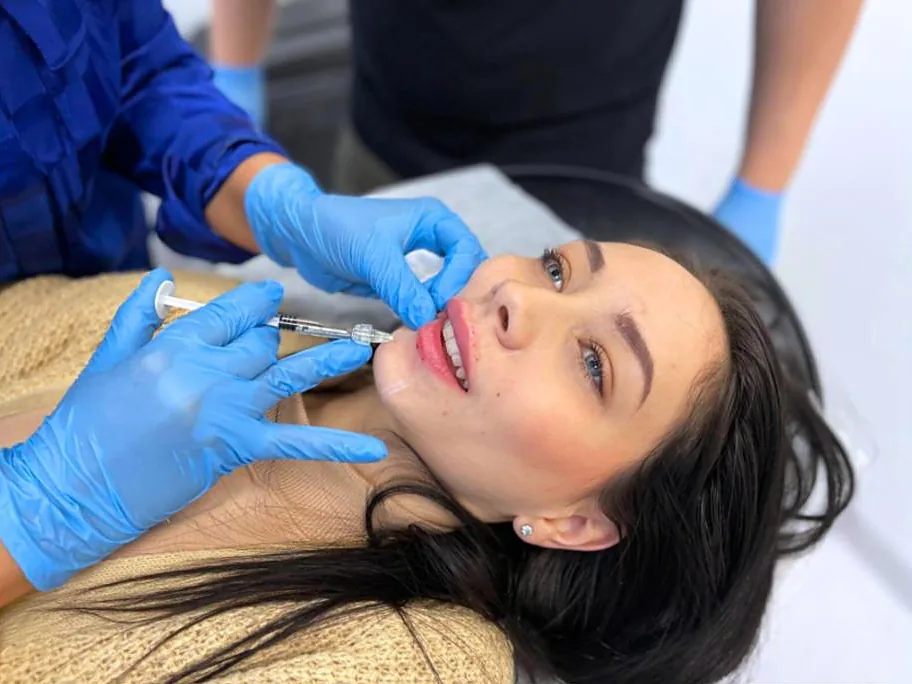
Cosmetic procedures have become increasingly popular, but who is actually allowed to perform them? Sweden has clear rules to protect patients and ensure high-quality treatments. In this post we go through what you need to know before booking an aesthetic treatment or considering a career in the field.
What counts as a cosmetic procedure?
A cosmetic procedure is an aesthetic treatment without a medical indication – in other words, the procedure is not necessary for physical health. These can be divided into surgical and non-surgical procedures:
- Surgical procedures: for example liposuction, breast augmentation and eyelid surgery.
- Non-surgical procedures: for example fillers, botulinum toxin (Botox), skin rejuvenation and laser treatments.
Who may perform aesthetic injection treatments?
On 1 July 2021 new rules were introduced to improve patient safety in aesthetic treatments. The following now applies:
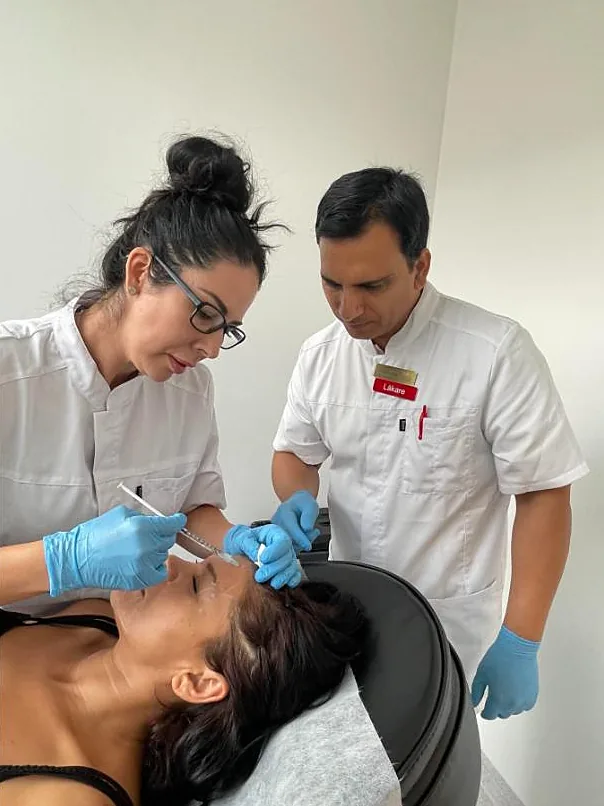
- Only licensed physicians, dentists and nurses may perform aesthetic injection treatments such as fillers and botulinum toxin.
- Surgical aesthetic procedures (e.g. liposuction or facial surgery) may only be performed by licensed physicians and dentists with specialist competence.
- Medical responsibility: The healthcare provider is responsible for ensuring the practice has the medical competence and physician support its treatments require. See our MAL packages.
- Cooling-off period: By law, patients must be given at least two days to reflect before the treatment is performed.
How do you become an injection nurse or aesthetic practitioner?
To work with aesthetic injection treatments you need a medical licence. Common routes into the field:
- Become a nurse or physician and work in healthcare to build clinical experience.
- Take further training in aesthetic injections through courses at training institutes or pharmaceutical companies.
These courses include:
- Anatomy and muscle function (to understand the structure of the face and prevent complications)
- Complication management and patient safety
- Client care and aesthetic assessment
Interested in training? At Nordic Skin Academy you can develop your skills in aesthetic medicine.
Which aesthetic treatments do not require a medical licence?
Several beauty treatments do not currently require a medical licence, but training is still important to minimise risks. Examples:
- IPL and laser treatments: can be performed by trained therapists, but there are risks.
- Microneedling and chemical peels: require knowledge of skin types and aftercare.
- Skincare and facial treatments: often performed by certified skin therapists.
Even though some of these treatments do not require a medical licence, it is important that the practitioner has relevant training and understands the risks and contraindications.
How do you choose a safe clinic?
To make sure your treatment is safe, check these points before you book:
- The practitioner's licence – check that the practitioner is licensed via Socialstyrelsen (the National Board of Health and Welfare).
- Experience and patient reviews – ask about the practitioner's experience and look for reviews.
- Hygiene and standards – make sure the clinic follows hygiene routines and safety protocols.
- Informed consent and cooling-off period – a reputable clinic gives you correct information about risks and makes sure you have time to think.
- Safety in case of complications – ask how the clinic handles complications and whether emergency medication is available.
Conclusion
Choosing the right practitioner is crucial for a safe and successful result. Sweden's new laws give patients better protection, but it is still important that you do your own research. Always choose a licensed and experienced practitioner and a clinic that follows safety guidelines.